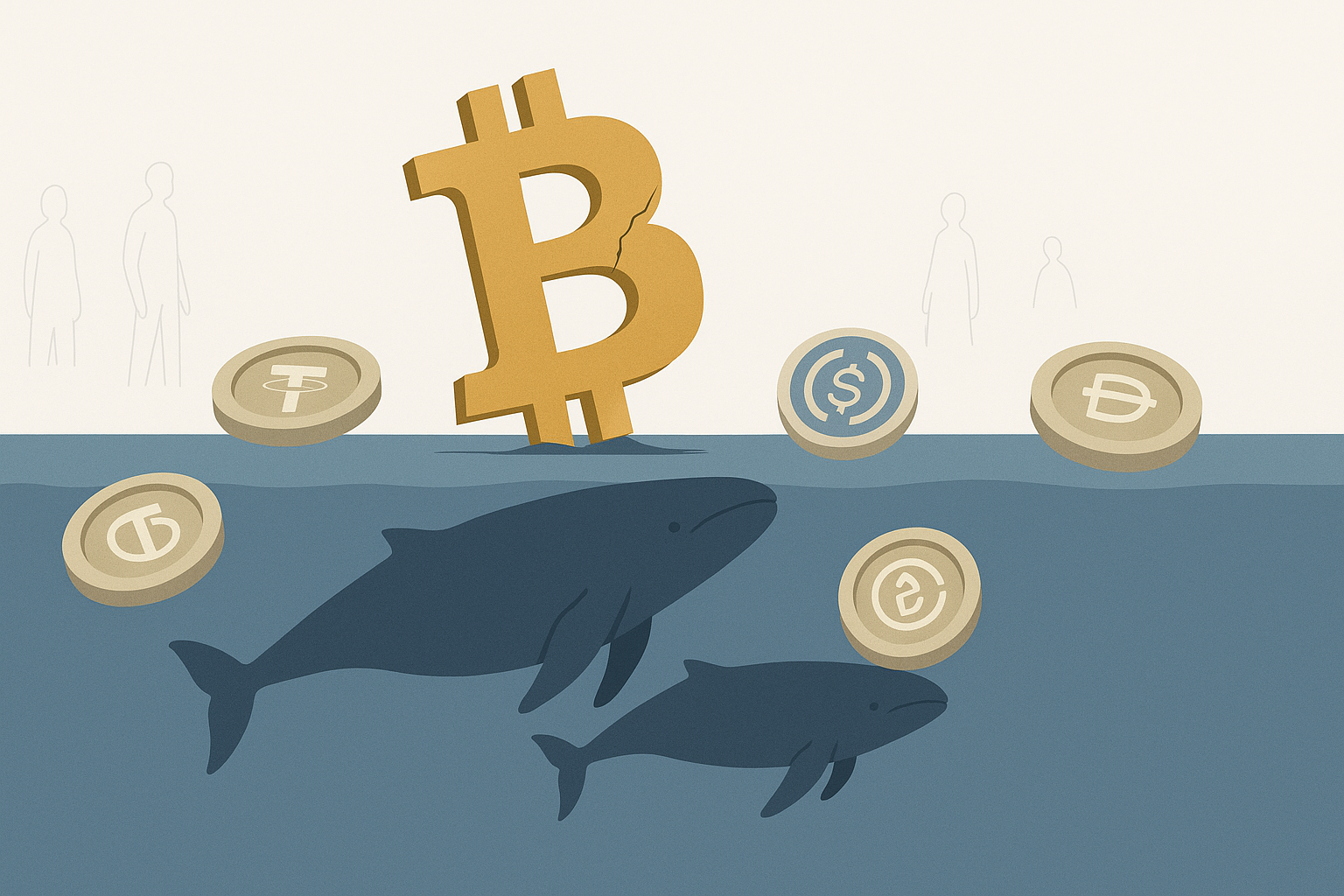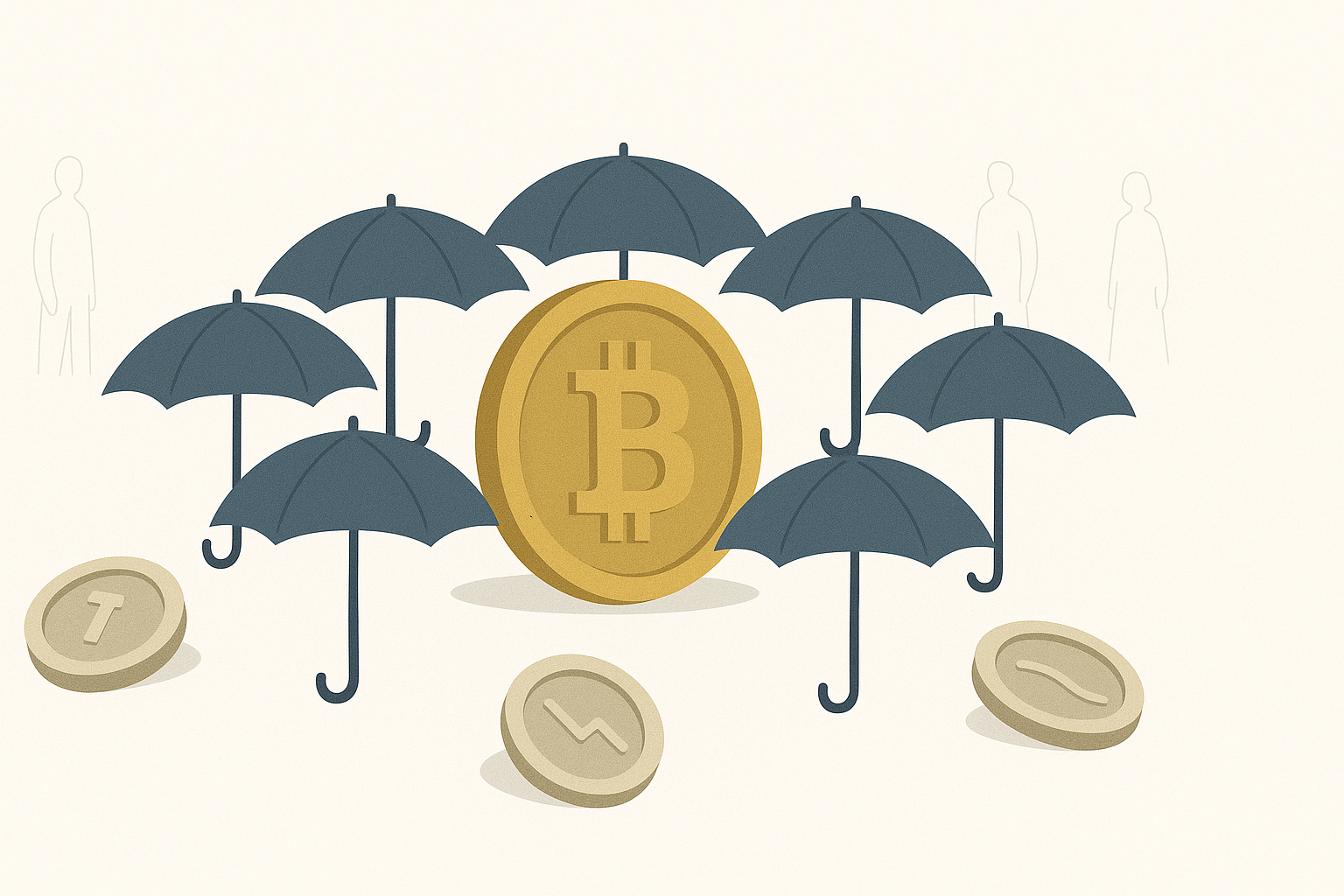
Bitcoin is entering a phase defined by fatigue, hesitation, and heightened caution. After months of strong inflows and renewed optimism, on-chain and options data now reveal a market hedged in fear — where long-term holders are selling into strength, short-term traders are seeking protection, and volatility has returned with force.
1. Below the Cost Basis: A Warning Signal
Bitcoin currently trades below the short-term holders’ cost basis at $113.1K, and even below the 0.85 quantile level at $108.6K — two thresholds that historically mark the transition from bullish momentum to a consolidation or correction phase.
This zone acts as a critical “stress test” for investor conviction. Falling beneath these cost basis levels indicates that a growing share of recent buyers are now underwater, with roughly 15% of total supply sitting at a loss.
Repeated failures to reclaim these levels — now for the third time this cycle — suggest a structural cooling of demand. The market appears unable to sustain higher valuations without new inflows, opening the door for a prolonged consolidation phase.
2. Long-Term Holders: From Accumulation to Distribution
One of the clearest on-chain shifts is the persistent increase in Long-Term Holder (LTH) spending. Since July 2025, LTH spend volume has surged from around 10K BTC/day to over 22K BTC/day.
This steady rise reflects profit-taking among seasoned investors — a signal that confidence in continued upside is fading. Historically, when LTHs start distributing heavily after an all-time high, the market often struggles to regain momentum until the spent supply is absorbed by new buyers.
In essence, the same cohort that supported Bitcoin’s ascent is now applying pressure from the other side.
3. Open Interest Soars — But Sentiment Turns Defensive
While spot activity shows weakness, options open interest has climbed to a new all-time high, showing that investors are increasingly expressing their views through derivatives rather than spot holdings.
However, the tone of that positioning has turned cautious:
-
Put demand is rising, showing traders’ willingness to pay for downside protection.
-
Call buying remains muted, even during short-term rallies.
-
Dealers are caught in short gamma positions, amplifying both selloffs and the fading of rallies.
In other words, while participation is strong, conviction is weak. The options market now functions less as a bullish vehicle and more as a hedge against volatility.
4. Volatility Returns — and It’s No Longer Cheap
After a brief period of calm, volatility is back.
-
Implied volatility (IV) has jumped to around 48, up from the mid-30s two weeks ago.
-
Realized volatility (RV) has risen to 44.1%, ending the previous low-vol regime.
-
The 1-month Volatility Risk Premium has turned negative, meaning that selling volatility is no longer profitable — a clear sign that complacency has ended.
This repricing doesn’t necessarily mean a new bear market is imminent, but it confirms a more reactive, uncertain environment. Market makers are cautious, liquidity is thinner, and price swings are more sensitive to positioning shifts.
5. Put Skew and Defensive Flows
The put-call skew has climbed across nearly all maturities, reinforcing the defensive mood. Even during the 6% bounce from $107.5K to $113.9K, traders continued adding to their put exposure — effectively betting against sustained upside.
Data from Glassnode shows that:
-
$120K call premiums are being sold into strength.
-
$105K put premiums are rising, indicating active hedging.
The message is clear: recent rallies are being faded, not chased. Market participants prefer collecting premium from short-lived optimism rather than positioning for a breakout.
6. The Bigger Picture: A Transitional Market
Taken together, the data paints a picture of a market in transition:
-
Spot demand is weakening.
-
Long-term holders are taking profits.
-
Options traders are defensive.
-
Volatility is repriced higher.
Bitcoin’s inability to hold above the short-term holders’ cost basis ($113.1K) and the 0.85 quantile ($108.6K) suggests that confidence has temporarily eroded. Unless new demand steps in to absorb ongoing distribution, the network may need time to consolidate, reset expectations, and rebuild conviction.
7. Outlook: Patience Before Recovery
Periods like this often serve as healthy resets rather than endings. The shift toward caution can remove speculative excess and create the foundation for more sustainable growth once volatility stabilizes and spot accumulation resumes.
However, the next phase of recovery will depend on one key factor: renewed spot demand. Without it, rallies are likely to remain short-lived and mechanically constrained by defensive positioning.
For now, Bitcoin remains hedged in fear — a market waiting for new conviction before its next move.
Disclaimer:
All insights in this article are for informational purposes only and do not constitute financial advice. Data sources include Glassnode and derivatives market analytics. Trading or investing in cryptocurrencies carries risk; conduct your own due diligence before making decisions.